
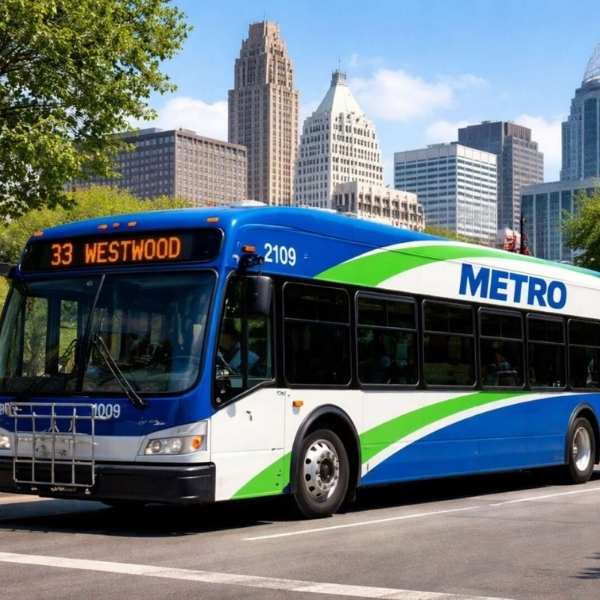
Cincinnati is introducing new transit signs across the city to make navigation easier and improve rider access.
The updated signage is part of a broader modernization effort focused on clarity, accessibility, and real-time information. Cincinnati Metro has begun installing more than 3,700 redesigned bus stop markers across Hamilton County in a two-year rollout, marking one of the largest signage upgrades in the system’s history.
According to the Southwest Ohio Regional Transit Authority, the initiative aims to make public transit easier to understand and use. Officials say it addresses long-standing issues with outdated and inconsistent signage while supporting efforts to boost ridership and accessibility.
The first new signs were unveiled in early April 2026, launching a phased installation that will prioritize high-traffic stops before expanding systemwide. Leaders say clear, visible signage plays a key role in attracting new riders, especially since many existing stops offered limited information.
Cincinnati transit signs focus on clarity and accessibility
The redesigned signs emphasize improved readability, featuring larger route numbers, simplified layouts, and high-contrast colors. These updates help riders quickly identify routes and stops, even from a distance, while also supporting those with visual impairments.
Key features include:
Larger, bold route numbers for easier identification
Reflective materials for improved nighttime visibility
Streamlined layouts to reduce confusion
Better placement along busy corridors
The design reflects input from transit experts and community stakeholders, ensuring the signs meet modern accessibility standards while remaining easy to maintain. Officials say clearer signage helps remove a common barrier for first-time riders.
Some locations will also feature digital displays providing real-time bus arrival information. These updates are expected to reduce uncertainty and wait times, particularly during peak hours.
Cincinnati transit signs developed through local collaboration
The project was developed in partnership with the University of Cincinnati College of Design, Architecture, Art, and Planning. Students and faculty contributed to the design process, offering insights into usability and visual communication.
Designers focused on creating a consistent visual identity across the system, helping riders recognize stops quickly—even in unfamiliar areas. The collaboration highlights the importance of user-centered design in public infrastructure.
Officials say the upgrade reflects a growing trend of cities investing in smaller improvements that deliver meaningful benefits. Clear signage can reduce confusion, speed up boarding, and improve overall system efficiency.
The signage rollout complements other modernization efforts within Cincinnati’s transit network, including service adjustments, technology upgrades, and accessibility improvements aimed at making transit more appealing to residents and visitors.
Cincinnati transit signs support long-term transit goals
City leaders view the signage upgrade as part of a broader strategy to increase transit use. Improving the rider experience can attract new users while retaining existing ones, with clear and reliable information playing a key role in satisfaction.
The project also supports regional mobility by making transit more accessible to tourists, occasional riders, and those who rely on it daily.
Additional benefits include:
Less dependence on mobile apps for basic route information
Greater independence for riders without smartphones
Improved safety through better visibility and stop identification
Increased efficiency for transit operators and staff
Officials emphasized that modernization doesn’t always require large-scale construction. Targeted improvements like updated signage can deliver immediate, cost-effective results.
The phased rollout will continue through 2028, with installations expanding across Hamilton County. Transit officials plan to monitor feedback and refine the system as needed.
Overall, the new transit signs represent a practical step toward a more modern, accessible, and user-friendly transit experience, showing how thoughtful design and local collaboration can support long-term urban mobility goals.










Leave a Comment