
LB1100 expands corporate immunity, raising concerns about access to justice for Nebraska families
LINCOLN, NE — For 158 years, Nebraskans have relied on their constitutional right to a trial by jury to hold wrongdoers accountable and protect their families. That right is now facing a direct challenge from insurance companies and the trucking industry—often without most residents realizing it.
Last Thursday, the Judiciary Committee advanced LB1100 to the Nebraska Legislature floor. As amended, the bill introduces sweeping corporate immunity measures, creating new liability protections, limiting court access, weakening accountability, and shifting the financial burden of wrongdoing onto Nebraska families and taxpayers.
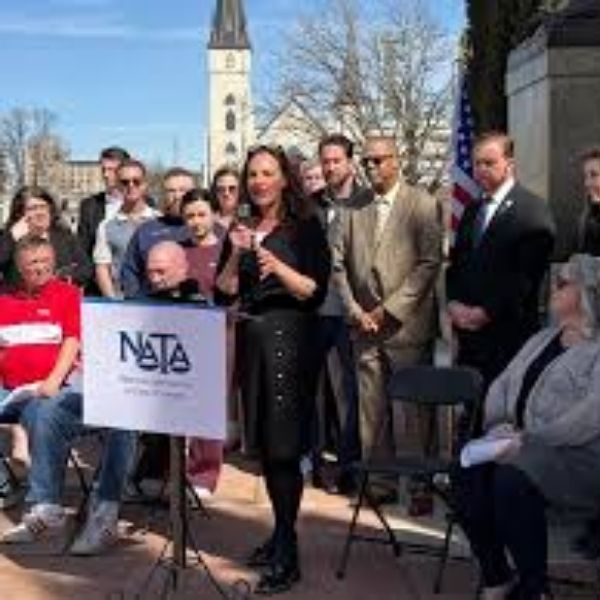
“Our system is working exactly as it should—giving Nebraskans access to the courts and a jury of their peers,” said Jennifer Turco Meyer, president of the Nebraska Association of Trial Attorneys. “Powerful corporate interests have persuaded lawmakers to limit access to our courts and reduce the role of juries. Now that we see what is actually in LB1100, it is clear—this bill prioritizes profits over people, which is a dangerous approach to governing.”
LB1100 introduces major changes with significant implications for Nebraska families and taxpayers. Some of the most concerning provisions include:
Hides the real cost of medical care. The bill conceals the true cost of medical care from juries, allowing insurance companies to pay less while leaving families and healthcare providers to cover more. It also makes recovering future medical costs difficult, if not impossible, potentially leaving victims without necessary long-term care or shifting those costs to taxpayers. Additionally, it gives reckless drivers and insurers a way to downplay serious injuries—such as traumatic brain injuries—by citing lower medical bills and minimizing claims of pain and suffering.
Caps accountability in trucking cases. The bill places a $5 million limit on pain and suffering damages, even in cases involving catastrophic injury or death, with no exceptions for extreme negligence like drunk driving or reckless speeding. Judges would be required to override jury awards exceeding this cap.
Creates corporate immunity in toxic exposure and asbestos cases. The bill increases the burden of proof and imposes stricter pleading requirements, making it significantly harder for victims with life-threatening conditions to pursue claims and delaying justice for those who may not live long enough to see resolution.
Shortens the time to seek justice. The statute of limitations would be reduced from four years to three, cutting off claims before many victims fully understand their injuries and forcing quicker legal action rather than allowing time for treatment and recovery.
“This bill rewrites the rules to benefit corporate defendants at every stage of a case,” said Elizabeth Govaerts, legislative chair for NATA. “It limits what juries can hear, restricts what they can award, and in some cases prevents victims from ever getting into court. That is not justice—it is protection for powerful interests.”
“And Nebraskans will bear the cost,” Meyer added. “When corporations and reckless drivers are not held accountable, the costs do not disappear—they shift to families, healthcare providers, and taxpayers. Nebraskans need to speak up now. Call your senator and urge them to vote no on LB1100.”








Leave a Comment