
OMAHA, Neb. (WOWT) – The tragic death of an Omaha woman with a history of mental illness has highlighted a shortage of health care facilities in the metro area, particularly for those who require long-term care.
“There’s some really challenging mental health conditions that really need someone to give them just extra care because they are people who are prone to get off the medication that they’re on and the medication is what’s keeping them stable,” said Doris Moore, founder and CEO of the Center for Holistic Development.
Moore has worked on the front lines of mental health care for nearly 30 years. She explained that insurance guidelines often determine how long individuals with mental illness can remain in care facilities.
“Most of the time if people are suicidal, it’s about three days they will allow them to stay and then they’re supposed to be connected to a therapist in the community. You can’t make people go to therapy so sometimes it’s hit or miss,” Moore said. “And I think that’s one of the challenges we have in the whole mental health arena.”
Mental health is health
“Mental health is health and that’s one of the things that I think we have to change up in our conversation,” Moore said.
Douglas County Commissioner Mary Ann Borgeson, a longtime advocate for mental health care, said more individuals in the metro area may be at risk of harming themselves or others.
“There probably is, you know, we have people who again for whatever reason are going through outpatient services but end up not taking their medication and then that’s when you start seeing the spiral downward,” Borgeson said.
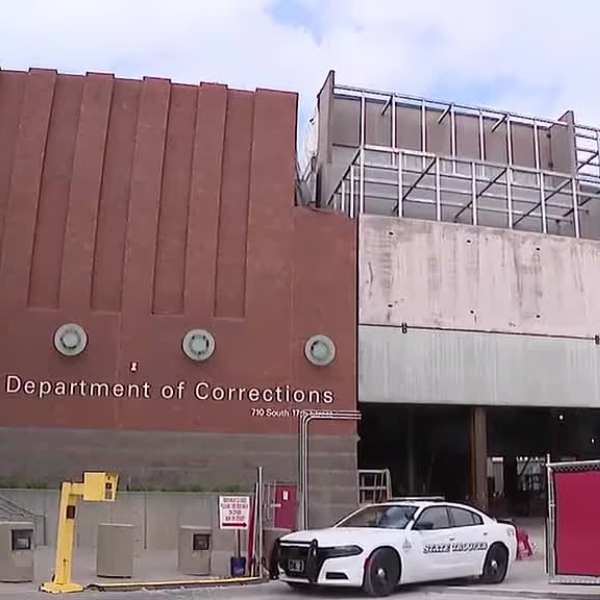
Douglas County has been working to improve services, including building a facility next to the jail for inmates dealing with mental health issues. Borgeson said the effort was necessary, noting that about 50% of the jail population has some form of mental illness.
“So we did ratchet up our services inside the jail,” Borgeson said. “This new facility will be more like a true mental health facility versus a jail cell which I think is a good thing because no one should have to go to jail to get their services for their mental illness.”
New facility faces bed limits
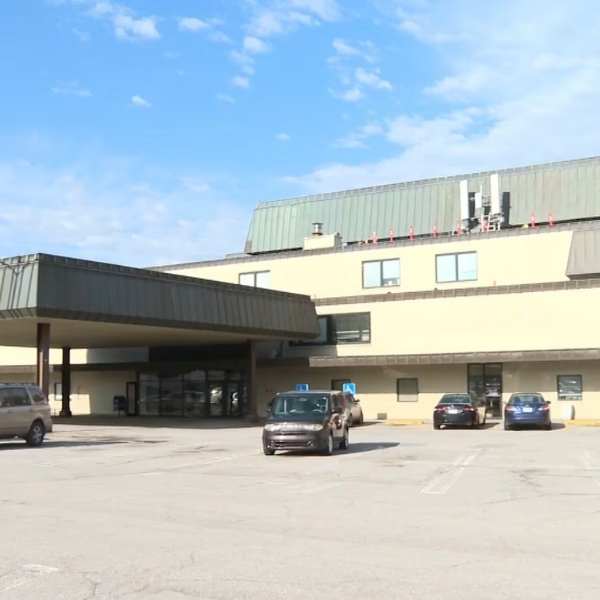
The county is also developing a community-based mental health facility adjacent to the Douglas County Health Center. While the $20 million project will address some needs, Borgeson said financial limits will restrict how many people it can serve.
“By law we can only have 16 beds due to the National Institute for Mental Disease that doesn’t allow you to collect Medicaid if you have more than 16 beds that are collecting Medicaid,” Borgeson said. “And that is one of the reasons why the state shut down its regional centers because they weren’t getting Medicaid dollars.”
Borgeson added that, alongside funding challenges, stigma surrounding mental health continues to be a barrier.
“I think we’ve made good strides on that but sometimes I feel like we’re going backwards especially when again we cut funding, we cut Medicaid, we cut the number of beds we have in the community,” Borgeson said. “So those are things that again we still have to keep pushing up the hill to get more of for folks that suffer mental illness.”









Leave a Comment