
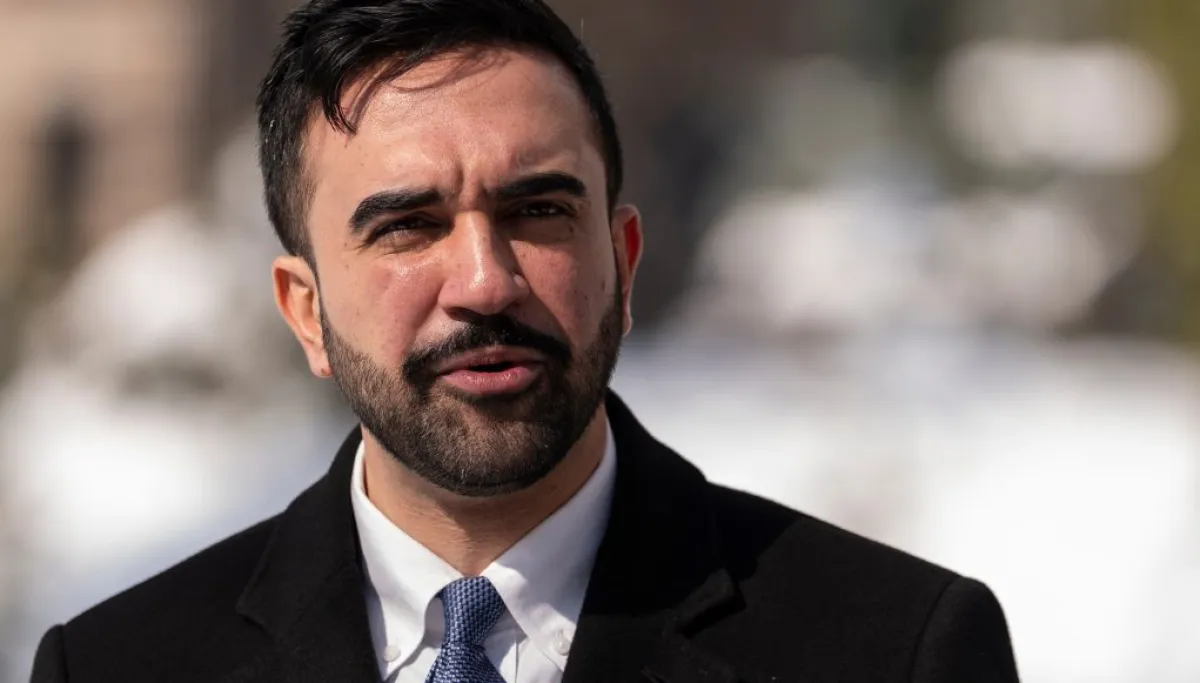
New York City is facing a significant budget shortfall, and Mayor Zohran Mamdani has proposed a series of controversial tax increases to address the fiscal crisis. Critics argue that these measures could redefine what it means to be ‘rich’ and disproportionately affect middle-class families. With a wealth tax and increased property and estate taxes on the table, many New Yorkers are left questioning the implications of these sweeping changes.
Background on the Budget Crisis
The Mayor’s budget proposal comes amidst a staggering multibillion-dollar deficit that has raised alarm among residents and businesses alike. As the city grapples with financial mismanagement and rising costs, Mamdani insists that tax increases are necessary to maintain essential services. His administration has been vocal about the need to generate new revenue streams, particularly through taxation.
The Proposed Wealth Tax
One of the most contentious aspects of Mamdani’s plan is the proposed wealth tax. This tax would aim to target high-net-worth individuals, which the Mayor defines in a manner that many believe could include a significant portion of the middle-class population. While proponents argue that a wealth tax could help alleviate the budget shortfall, critics point to the historical failures of similar taxes in other jurisdictions.
California, for example, has witnessed an exodus of wealthy individuals and businesses in response to its proposed wealth tax. The potential for similar outcomes in New York raises concerns about the long-term viability of such a tax strategy.
Property Tax Increases
If the wealth tax fails to pass, Mamdani has indicated that he will resort to substantial property tax increases. The proposed increase of 9.5% would affect over three million properties, including single-family homes, co-ops, condos, and more than 100,000 commercial buildings. This move has sparked outrage among residents, especially those who are already struggling to keep up with rising housing costs.
City Council Member Phil Wong has voiced concerns that this increase will hit middle-class families hardest, potentially forcing them to sell their homes. With property values soaring in NYC, many families find themselves on the brink of financial distress, and this tax hike could be the tipping point.
Changes to the Estate Tax
Mamdani’s estate tax proposal has also raised eyebrows. He seeks to reduce the exemption threshold from $7 million to just $750,000, coupled with an increase in the estate tax rate to 50%. This monumental shift would make New York’s estate tax the most punitive in the country and would impact an unprecedented number of families.
| Current Estate Tax Threshold | Proposed Estate Tax Threshold | Current Estate Tax Rate | Proposed Estate Tax Rate |
|---|---|---|---|
| $7 million | $750,000 | 16% | 50% |
The implications of this change are staggering. With the lower threshold, many families who own modest homes or savings could find themselves subject to hefty taxes upon the death of a loved one. Critics warn that this could lead to a culture of fear and uncertainty among property owners, as families grapple with the possibility of having to liquidate assets to pay taxes.
Mamdani’s Spending Priorities
While Mamdani has proposed significant tax increases, he has also committed to substantial spending initiatives. One of the most notable is a nearly $1.9 billion contract with the city’s hotel industry to provide emergency shelter for homeless families over the next three years. This decision has been polarizing, with critics questioning the efficacy of such spending in addressing the homelessness crisis.
Many argue that pouring billions into temporary solutions fails to address the underlying issues contributing to homelessness. This decision has drawn comparisons to similar policies in San Francisco, which faced backlash over its handling of homelessness and associated legal costs, suggesting that New York may be headed down a similar path.
Public Reaction and Analysis
The reaction to Mamdani’s tax proposals has been mixed. Supporters of the Mayor argue that higher taxes on the wealthy are necessary to fund social programs and essential services. However, those opposed warn that the measures could drive affluent residents out of the city, exacerbating the budget crisis in the long run.
Furthermore, redefining the parameters of wealth raises questions about who will ultimately bear the financial burden. Many middle-class families, who may not consider themselves wealthy, could find themselves impacted by policies designed to target high-income earners. This perplexing shift in definition of ‘rich’ has sparked widespread debate and concern among voters.
Conclusion
As New York City grapples with a budget deficit and the implications of Mamdani’s tax proposals, residents are left questioning the future of their city. The potential for increased taxes on property and estates, along with a controversial wealth tax, could redefine the economic landscape of New York. With the stakes so high, the need for a balanced approach to revenue generation and spending has never been more critical.
Frequently Asked Questions
What is the proposed wealth tax in New York City?
The proposed wealth tax aims to target high-net-worth individuals, but critics argue that it may inadvertently affect many middle-class families as well.
How much will property taxes increase under Mamdani’s proposal?
Mamdani has proposed a 9.5% increase in property taxes, which would impact over three million properties in the city.
What changes are being made to the estate tax?
The estate tax exemption threshold is proposed to drop from $7 million to $750,000, while the top rate would increase from 16% to 50%.
How is the city planning to spend the additional tax revenue?
The city plans to use the increased tax revenue, in part, to fund a $1.9 billion contract with the hotel industry for emergency homelessness shelters.
What are the potential consequences of these tax increases?
Critics warn that these tax increases could drive wealthy residents out of the city, disproportionately affect middle-class families, and ultimately fail to resolve the budget deficit.







Leave a Comment