
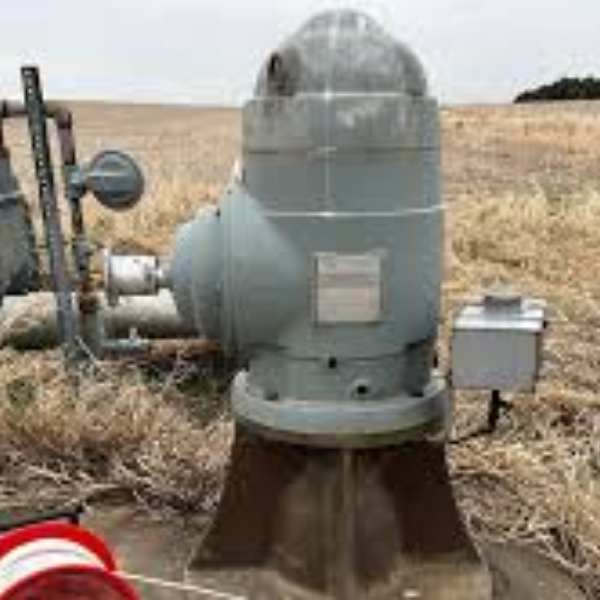
Nebraska has seen groundwater levels drop in a majority of wells, according to a recent study by the University of Nebraska-Lincoln.
HASTINGS, Neb. (KSNB) — Researchers measured nearly 5,000 wells in spring 2024 and spring 2025 to track groundwater changes. The study found that 62% of those wells recorded declines, with some areas in the Nebraska Panhandle seeing drops of more than 10 feet.
The state sits above about 90% of the Ogallala Aquifer, a key water source for agriculture and communities.
Experts say the declines are closely tied to ongoing drought conditions. Nebraska has experienced some level of drought for roughly the past five years, significantly affecting groundwater recharge.
“From beginning about 2020 through early last year, most of Nebraska was in some form of drought for most of that five-year period,” said Aaron Young, a geologist with the university’s Conservation and Survey Division. “Groundwater levels are very closely tied to precipitation.”
In wetter years, rainfall helps replenish aquifers and reduces the need for pumping. However, during dry periods, less water soaks into the ground, forcing increased groundwater use—especially for agriculture.
Researchers noted that analyzing the full dataset takes time, and the final report for the 2025–26 survey is expected later this summer.








Leave a Comment