
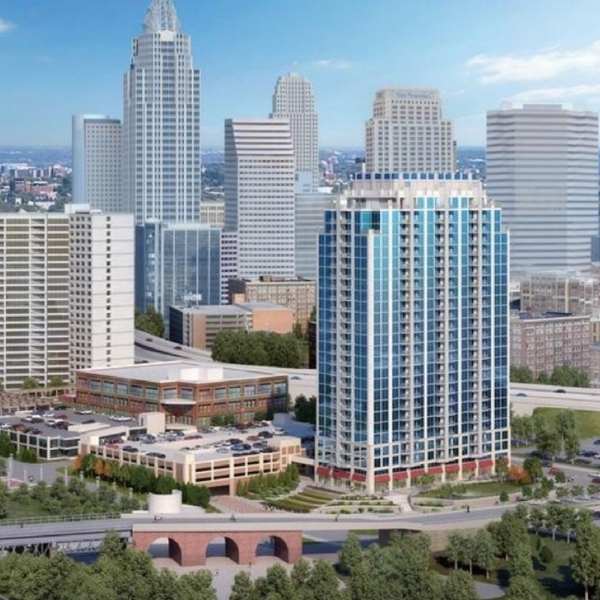
A surge in downtown development is reshaping the urban core of Cincinnati, Ohio. This new wave is turning traditional business districts into lively, mixed-use neighborhoods. Led by 3CDC and local partners, the city is rapidly evolving from a 9-to-5 hub into a thriving 24/7 community, with billions invested in mixed-use projects.
Historic renovations and major infrastructure upgrades are redefining the skyline. Planners expect these ambitious developments to attract both residents and tourists, signaling a bold future for the city.
Convention District Drives Downtown Transformation
At the center of this transformation is the Convention District, anchored by an $800 million overhaul designed to attract large-scale events.
The First Financial Center reopened in January 2026 after a $264 million modernization. The обновated building now features a rooftop terrace, advanced technology, and a fully updated exterior.
Expanded Event Spaces and Facilities
The upgraded convention center spans 750,000 square feet. It includes 257,268 square feet of exhibit space, 74,033 square feet of ballroom space, and 30 breakout rooms for smaller meetings. A full-service banquet kitchen can serve up to 5,000 guests at once.
New Outdoor Plaza Enhances Connectivity
The Elm Street Convention Plaza, a two-acre outdoor park, opened in late 2025. It connects directly to the convention center and offers walking paths, pavilions, food trucks, and live entertainment, creating a vibrant gathering space.
New Marriott Hotel Anchors Growth
A $536 million Marriott Headquarters Hotel broke ground in early 2026. The 700-room property, located south of the convention center, is expected to open in 2028. It will include 15,000 square feet of retail space, over 62,000 square feet of meeting space, and a 17,000-square-foot outdoor event terrace.
Guests will also enjoy a full-service restaurant, an outdoor bar with skyline views, and a skywalk connecting directly to the convention center, positioning Cincinnati as a premier Midwest destination.
Historic Buildings Reimagined as Residences
Developers are converting historic office buildings into residential spaces to boost downtown density. The $69 million Textile Building project on Fourth Street now offers apartments, condos, and modern amenities like rooftop spaces, fitness centers, and co-working areas.
Boutique Hotels Bring New Energy
The Hyatt Centric Cincinnati opened in early 2026 inside the @580 building, transforming it into a 170-room hotel with integrated residential and dining spaces.
Other boutique developments include the Moxy Hotel Cincinnati Downtown, known for its lively rooftop bar, and the Fidelity Hotel, created from the historic Gwynne Building.
Investments Strengthen Over-The-Rhine Community
Over the past 20 years, 3CDC has invested more than $2 billion into downtown and the Over-the-Rhine neighborhood. While early projects focused on retail and housing, recent efforts prioritize community resources for long-term residents.
Findlay Community Center Nears Completion
The $65.5 million Findlay Community Center is set to open in fall 2026. The 65,000-square-foot facility will include an indoor pool, roller rink, running track, and rooftop fitness space, supporting local families and youth programs.
Affordable Housing Remains a Priority
City leaders continue to push for mixed-income developments. Hundreds of affordable housing units have been added alongside commercial spaces to maintain accessibility and prevent displacement of lower-income residents.
Major Infrastructure Projects Reconnect the City
Cincinnati is also investing in large-scale infrastructure. A proposed $187 million project would build a 5.6-acre greenspace over Interstate 71, reconnecting downtown with the riverfront at The Banks.
Brent Spence Bridge Corridor Expansion
Work is underway on the Brent Spence Bridge corridor. The project, now estimated at $4.4 billion, focuses on expanding Interstate 75 to ease regional traffic congestion.
However, the expansion is consuming land, including part of the historic Longworth Hall, rather than freeing space for redevelopment.
Overall, Cincinnati’s downtown transformation reflects a sweeping vision—one that blends economic growth, modern infrastructure, and community-focused development.









Leave a Comment