
Measure shifting burden of proof for job-related cancers falls short
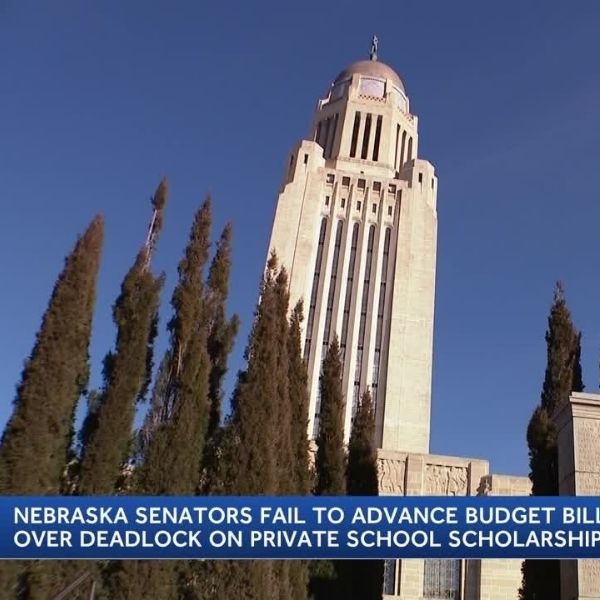
LINCOLN, Neb. (KOLN) — As recent fires in western Nebraska highlight the risks firefighters face, a bill aimed at changing how they receive compensation for job-related cancers failed to advance in the state’s Unicameral on Monday.
“Those fires are a vivid, painful reminder of what we are actually talking about when we debate this legislation,” said Fremont Sen. Dave Wordekemper, who introduced the measure. “The men and women who answer the call, no matter the scope of the emergency.”
Lawmakers spent three hours debating LB 400, which proposed shifting the burden of proof in workers’ compensation cases. Under the bill, any cancer diagnosis in firefighters would be presumed job-related unless proven otherwise.
The legislation would not have changed eligibility but would have placed responsibility on employers to disprove claims.
“Right now, a firefighter notifies their employer that they have cancer and has to prove it on their own, while sick, while fighting for their life, that the cancer came from the job,” Wordekemper said. “Right now, the deck is stacked against them.”
The bill faced strong opposition during debate.
North Platte Sen. Mike Jacobson previously called LB 400 the “Mother of All Unfunded Mandates” and introduced multiple amendments, arguing the proposal could burden taxpayer-funded volunteer departments.
“We can talk all we want about caring about the property taxpayer, caring about driving property taxes down, being opposed to unfunded mandates, but here we are,” Jacobson said.
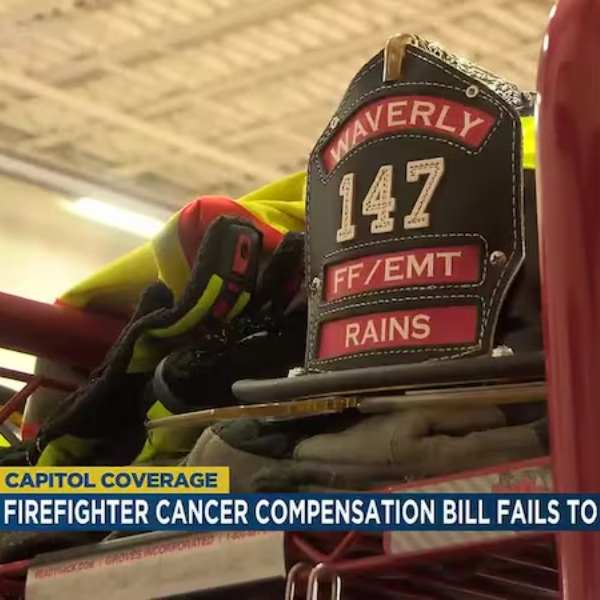
For firefighters like Jared Rains, a Waverly firefighter and EMT who previously served as chief, the bill’s failure was a significant setback.
“When a call comes out, it’s the last thing I think about. I don’t think about, am I going to go to this call and I’m going to get cancer? No. Guess what? I’m going to go to this call because somebody called 911 and they need help.”
Rains is currently battling prostate cancer and said the bill could have helped cover treatment costs.
“I did testing, genetic testing, nothing in there that says I should add prostate cancer. It doesn’t run in my family,” Rains said. “The one thing is I’ve been around firefighting for most of my life. So is it because of firefighting? I don’t know.”
Opponents argued the financial impact on taxpayers remained too uncertain.
“I don’t know how in good conscience you can go home and look at your taxpayer constituents in the eye and say, ‘I’m looking out for you in the Legislature,’ because you aren’t,” Jacobson said.
Brenda Jenny, president of the Nebraska State Volunteer Firefighters Association, said fires affect both paid and volunteer departments alike.
Linwood Fire Chief Joel Cerny noted that structure fires expose firefighters to toxic substances released from burning materials like plastics, foams, wood, and fabrics. These can include hazardous chemicals such as formaldehyde, benzene, and sulfur dioxide.
He added that awareness has improved in recent years, though risks remain, including exposure to PFAS chemicals found in firefighting gear and foam products.
“Ten- to 15-years ago, most firefighters didn’t have any idea that we were being exposed to so many cancer-causing chemicals,” Cerny said. “AFFF exposure is most strongly linked to kidney and testicular cancers, though studies also connect it to thyroid, liver, bladder, prostate, colorectal cancers, mesothelioma and leukemia through toxic PFAS ‘forever chemicals.’”
Rains described the outcome as a “gut-punch,” especially for volunteer firefighters, who were excluded under an amendment introduced earlier this year.
“These men and women are out there busting their butts every day and for nothing, just for the love of doing it and wanting to help in their communities,” he said. “So it’d be great to see the government back us.”
LB 400 fell one vote short of ending a filibuster and is considered dead for this legislative session.
Wordekemper said he is unsure whether he will reintroduce the bill next year.
The cloture vote on March 30 ended 32-15, one vote shy of the 33 needed to advance.



Leave a Comment