
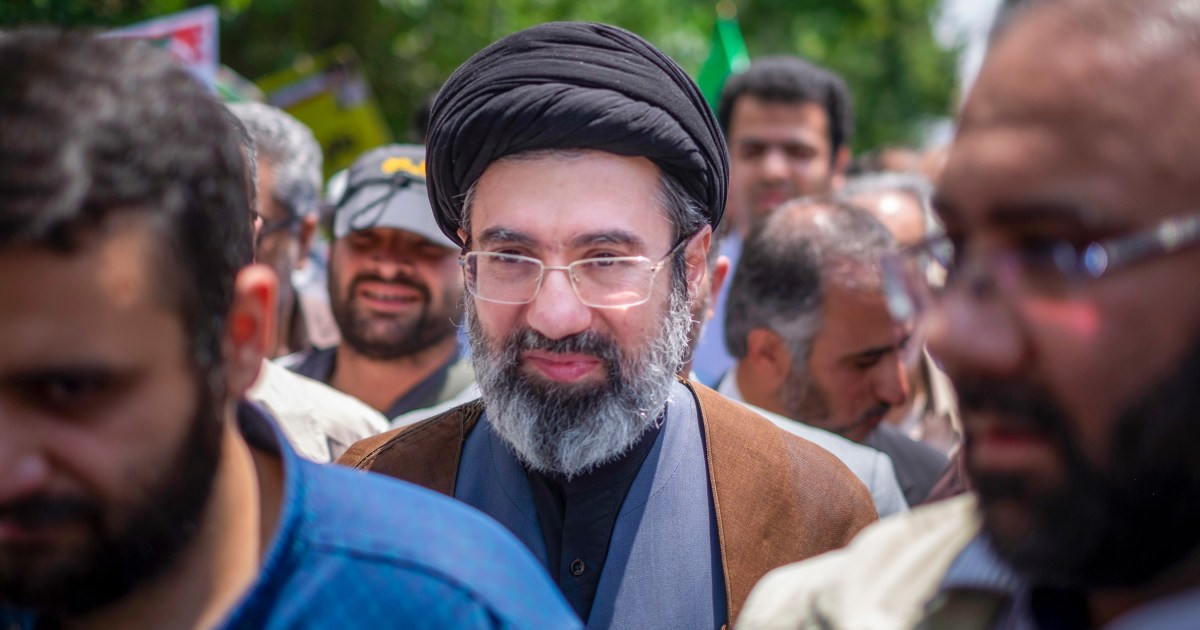
The ascension of Mojtaba Khamenei as Iran’s new Supreme Leader marks a pivotal moment in the nation’s tumultuous political landscape. In his inaugural statement, Khamenei demonstrated an unwavering commitment to Iran’s aggressive stance against perceived threats, particularly from the United States and its allies. As tensions escalate, especially regarding control over the vital Strait of Hormuz, the implications of his leadership are profound for both regional stability and global energy markets.
Background: The Rise of Mojtaba Khamenei
Mojtaba Khamenei, aged 56, has stepped into the shoes of his father, Ayatollah Ali Khamenei, who reigned as Supreme Leader for over three decades until his death. The circumstances surrounding the elder Khamenei’s demise, which included attacks from U.S. and Israeli forces, have enveloped the new leader in an air of uncertainty and urgency. The young Khamenei, though relatively unknown to the public, was already being groomed as a successor, holding significant influence within the Islamic Revolutionary Guard Corps (IRGC), a powerful entity within Iran’s political and military apparatus.
Defiance in the Face of Global Pressure
In a striking first public statement, Mojtaba Khamenei reiterated Iran’s long-standing threats to disrupt the flow of oil through the Strait of Hormuz, a critical maritime route where approximately one-fifth of the world’s oil passes annually. His declaration not only reflects a continuation of his father’s policies but also illustrates the Iranian leadership’s determination to assert its influence in a volatile region. The Strait of Hormuz has been a flashpoint for military and economic tensions, and Iran’s threats to target vessels crossing this route have already led to significant disruptions in global oil supplies.
The consequences of these threats are stark. As global energy markets react nervously, oil prices have begun to rise sharply, leading to concerns about inflation and economic impacts worldwide. According to recent statistics, the tension in the Strait has already resulted in an estimated 30% increase in crude oil prices over the past month, with projections suggesting further increases if hostilities continue.
A Call for Vengeance
In his statement, Khamenei not only threatened to carry on with attacks against shipping but also vowed vengeance for the blood of what he termed “martyrs,” specifically referencing the tragic loss of life following a U.S. military strike on an elementary school that reportedly killed more than 170 civilians, predominantly children. This incident has galvanized public sentiment in Iran, and Khamenei’s rhetoric appears designed to rally the nation around a common cause and strengthen his legitimacy as a leader.
Military Posturing Against U.S. Bases
Khamenei’s statement made it clear that Iran views U.S. military bases in the region as a significant threat. He urged neighboring countries to close these bases, asserting that while Iran seeks “friendly and sincere relations” with its Gulf neighbors, the presence of foreign troops is intolerable. This duality in his message—calling for diplomatic relations while simultaneously threatening military action—illustrates the complex dynamics at play in Iranian foreign policy.
Impacts on Neighboring Countries
The Iranian leadership’s stance poses a significant challenge for Gulf nations, especially those that have traditionally aligned with the United States. Countries such as Saudi Arabia and the United Arab Emirates are now faced with not only the potential for military retaliation from Iran but also the economic ramifications of rising oil prices and disrupted trade routes.
Global Reaction and Implications
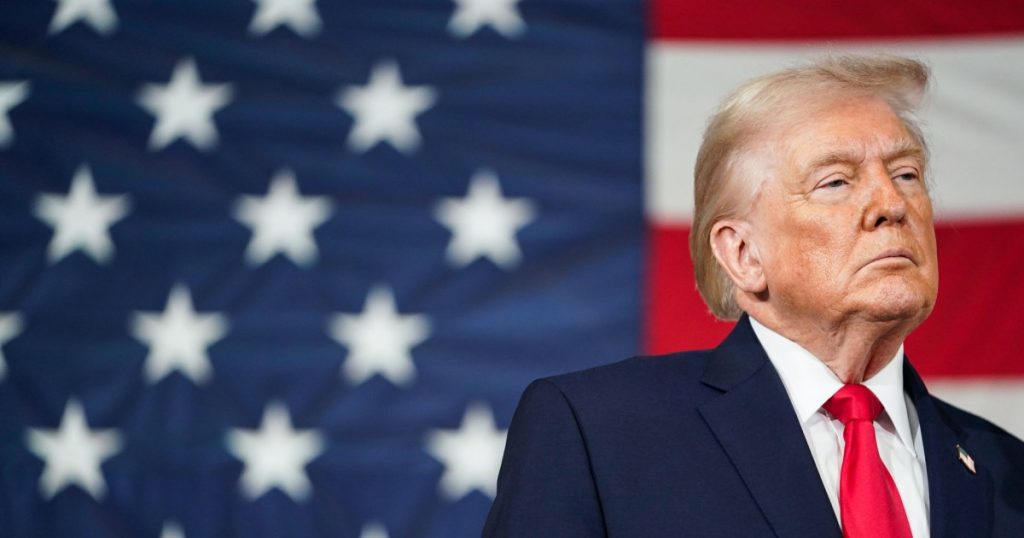
Internationally, Khamenei’s threats have been met with a cautious reaction. The United States, under President Donald Trump, had previously expressed a desire to de-escalate tensions and wrap up military engagements in the region, yet the new Supreme Leader’s declarations complicate these efforts. Analysts suggest that Trump’s administration may need to reassess its strategy in light of the new leadership in Iran, especially given that Khamenei’s hardline stance offers little room for negotiation.
Table: Recent Oil Price Fluctuations Due to Strait of Hormuz Tensions
| Date | Crude Oil Price (USD per Barrel) | Change (%) |
|---|---|---|
| January 1, 2026 | 80 | – |
| February 1, 2026 | 85 | 6.25 |
| February 15, 2026 | 90 | 5.88 |
| March 1, 2026 | 95 | 5.56 |
| March 12, 2026 | 104 | 9.47 |
The table above illustrates the recent fluctuations in crude oil prices, which have been directly influenced by the threats emanating from Iran regarding the Strait of Hormuz.
Analysis: The Future of Iran Under Khamenei
As Iran embarks on this new chapter under Khamenei’s leadership, several key factors will shape the future of the nation. His hardline approach could lead to increased isolation for Iran if diplomatic efforts falter, but it may also strengthen internal support among hardliners and the IRGC, who view confrontation with the West as a badge of honor.
The potential for military escalation remains high, especially if Iran perceives any actions by the United States or its allies as provocations. The call to vengeance for the “blood of martyrs” could set the stage for retaliatory strikes that could spiral into larger conflicts, further destabilizing the region.
Conclusion: A Region on Edge
Mojtaba Khamenei’s first public statement has sent shockwaves throughout the Middle East, reaffirming Iran’s position as a formidable player in regional geopolitics. The implications of his leadership extend far beyond Iran’s borders, potentially affecting global energy markets and international relations. As tensions simmer, the world will be watching closely to see how Khamenei navigates the challenges ahead, both domestically and abroad.
Frequently Asked Questions
Who is Mojtaba Khamenei?
Mojtaba Khamenei is the new Supreme Leader of Iran, succeeding his father, Ayatollah Ali Khamenei, who held the position for over 30 years until his death.
What are Khamenei’s main threats regarding the Strait of Hormuz?
Khamenei has vowed to continue blocking the Strait of Hormuz, threatening to attack vessels and military bases of countries that host U.S. troops in the region.
How has the international community reacted to Khamenei’s statements?
The international community has responded cautiously, with concerns about escalating tensions and the potential for military conflict in the region.
What impact has the situation had on oil prices?
Recent tensions have led to significant increases in crude oil prices, with estimates suggesting a 30% rise in just a few weeks due to fears of disruptions in oil supply.
What challenges does Khamenei face as the new Supreme Leader?
Khamenei faces internal pressure to solidify his leadership and external threats from the U.S. and its allies, which complicates his ability to govern effectively in a volatile environment.





Leave a Comment