
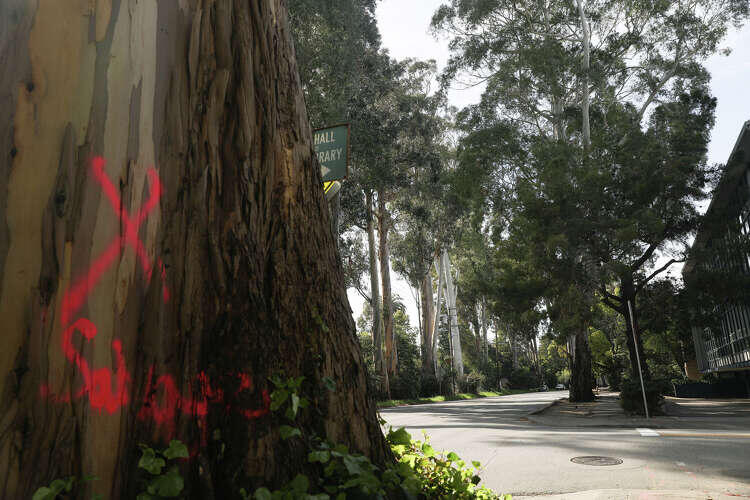
In the heart of Burlingame, California, a longstanding battle over the fate of the city’s iconic eucalyptus trees has taken a decisive turn. Known as the “city of trees,” Burlingame is facing the removal of over 300 historic eucalyptus trees along El Camino Real, a major thoroughfare that is not only a scenic route but also holds a place on the National Register of Historic Places. This development has sparked a mix of resignation and emotional turmoil among residents as they grapple with the loss of these green sentinels that have graced the city for over 150 years.
Background on the Eucalyptus Trees
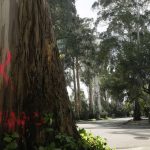
The eucalyptus trees lining El Camino Real were planted in 1870 by horticulturist John McLaren, who later designed San Francisco’s Golden Gate Park. The trees were originally intended to provide a picturesque windbreak for the historic mansions that dot the peninsula. Over the years, the trees have become an integral part of the community’s identity, deeply embedded in the memories and daily lives of residents.
However, as time passed, these majestic trees began to show signs of decay. Their roots started to disrupt sidewalks, making them impassable for individuals with mobility aids. Overgrown branches posed hazards for drivers and pedestrians alike. The trees, which once served as a beautiful backdrop, have now become a safety concern in the bustling urban environment.
The Decision to Remove the Trees
In January 2023, the California Department of Transportation (Caltrans) initiated the removal of the eucalyptus trees as part of a larger infrastructure improvement project. The plan includes not only tree removal but also road repavement and the relocation of power lines underground. With approximately 400 eucalyptus trees along the 2.2-mile stretch of El Camino Real, Caltrans aims to replace over 80% of them with new saplings that are expected to be healthier and less invasive.
This decision comes after decades of negotiations between Caltrans and Burlingame officials. Mayor Michael Brownrigg noted that the deteriorating state of the road necessitated action. “All of us who drive El Camino know it’s in bad shape,” he stated, emphasizing the need for a solution that balances safety and preservation.
Community Reaction and Sentiment
The reaction among Burlingame residents has been mixed. While some have come to accept the removal as a necessary step towards improving road safety, others feel a profound sense of loss. Jennifer Pfaff, president of the Burlingame Historical Society, reflects the sentiment of many when she expresses feelings of disorientation after losing the trees that have been landmarks throughout her life. “It’s like going to a town where I don’t know where I am,” she lamented, highlighting the emotional toll of the project.
Former Mayor Terry Nagel acknowledged the disruption caused by the project but praised the city’s efforts to accommodate the community’s attachment to its tree-lined road. “It is by far the biggest project we’ve had in the city since I’ve been here,” she remarked, indicating that while the project may be distressing, it is a necessary evolution for the city.
The Compromise Solution
In response to community concerns, the El Camino Real Task Force, formed about a decade ago, worked towards a compromise. The group aimed to find a balance between road repair and tree preservation. Their solution includes the planting of over 400 new eucalyptus and elm trees, with a focus on selecting a skinnier variation of eucalyptus that produces less debris. However, this replanting solution means that it will take decades before the new trees can recreate the shaded canopy that residents have cherished for generations.
| Tree Type | Current Age | Replacement Type | Expected Growth Time |
|---|---|---|---|
| Eucalyptus | 150 years | Skinnier Eucalyptus | Decades |
| Elm | New Planting | Standard Elm | Decades |
This initiative, while addressing safety and infrastructural needs, has not completely quelled the concerns of residents who mourn the loss of the historic eucalyptus trees. Mayor Brownrigg poignantly noted, “You plant a tree not for yourself, but for your kids,” encapsulating the bittersweet nature of the project.
Long-Term Impacts on the Community
The long-term impacts of this project extend beyond just the physical removal of trees. The emotional and psychological connection that residents have to the eucalyptus trees will likely evolve over time. The project is expected to conclude by fall 2029, during which residents will have to navigate through significant traffic disruptions and detours as construction crews work to reshape El Camino Real.
Current construction has already forced residents to reroute through residential neighborhoods, causing traffic congestion in areas that were previously quiet. This unintended consequence highlights the broader implications of urban development projects that seek to balance progress with nostalgia.
Analysis of Urban Development and Environmental Concerns
The tension between urban development and environmental preservation is not unique to Burlingame. Across California and beyond, cities grapple with similar dilemmas as they modernize infrastructure while trying to honor their historical and natural legacies. The removal of the eucalyptus trees raises questions about urban planning ethics, the role of environmental advocacy, and community engagement in decision-making processes.
Moreover, the choice to replace mature trees with saplings underscores the challenges cities face in maintaining biodiversity and green spaces. While new trees contribute to the ecosystem in the long run, the immediate impact of removing mature trees can lead to increased urban heat, reduced air quality, and diminished wildlife habitat.
Conclusion: A City at a Crossroads
Burlingame stands at a crossroads as it navigates the complexities of urban development intertwined with its rich historical identity. The removal of the historic eucalyptus trees along El Camino Real is a poignant reminder of the sacrifices required for progress. As the community adapts to the ongoing construction and the loss of familiar landmarks, it also has the opportunity to reflect on the values of sustainability, growth, and heritage.
In the coming years, Burlingame’s residents will have to embrace change while honoring the memories of the past. The new trees, once matured, may not only restore the scenic beauty of El Camino Real but can also foster a renewed connection to nature and community for future generations.
Frequently Asked Questions
Why are the eucalyptus trees being removed?
The eucalyptus trees are being removed due to safety concerns, as their roots have damaged sidewalks, and their overgrown branches have become hazardous for drivers and pedestrians. The project also aims to repave the road and relocate power lines underground.
What is the timeline for the tree removal and replacement project?
The project began in January 2023 and is expected to conclude by fall 2029, during which crews will remove and replace the trees and repave the roads.
How many trees will be planted as replacements?
Over 400 new eucalyptus and elm trees are planned to be planted as part of the project, with a focus on selecting trees that are less invasive and more suitable for urban environments.
What are the community’s feelings about the tree removal?
The community has mixed feelings; while some residents accept the necessity of the project for safety and infrastructure improvement, others feel a deep sense of loss for the historic trees that have been a part of their lives for generations.
How will this project affect traffic in Burlingame?
The project is expected to create significant traffic disruptions, with detours and rerouted traffic through residential neighborhoods as construction crews work along El Camino Real.




Leave a Comment